

What is the thermal stability of a full socket?
Jan 08, 2026
Leave a message
Hey there! As a supplier of full sockets, I often get asked about the thermal stability of these nifty little components. So, let's dive right into it and explore what thermal stability really means for a full socket.
First off, what's a full socket? Well, it's a type of pipe fitting that provides a secure and leak - proof connection between pipes. It's designed to fit snugly around the pipes, ensuring a tight seal. Full sockets are used in a wide range of applications, from plumbing systems in our homes to industrial pipelines in factories.
Now, let's talk about thermal stability. Thermal stability refers to how well a material or a component can withstand changes in temperature without losing its structural integrity or performance. For a full socket, this is super important because it might be exposed to different temperatures depending on the environment it's in.
In a plumbing system, for example, the water flowing through the pipes can be hot or cold. If the full socket isn't thermally stable, it could expand or contract too much when the temperature changes. This expansion and contraction can lead to leaks, which are a real pain in the neck for both homeowners and plumbers.
On a larger scale, in industrial settings, full sockets might be used in pipelines that carry chemicals or fluids at extremely high or low temperatures. In these cases, the thermal stability of the full socket is crucial. If it fails under thermal stress, it could cause a major spill or even a safety hazard.
So, what factors affect the thermal stability of a full socket?
Material
The material of the full socket is the most significant factor. Different materials have different thermal properties. For instance, stainless steel is a popular choice for full sockets because it has good thermal stability. It can handle a wide range of temperatures without significant expansion or contraction. Stainless steel is also resistant to corrosion, which is an added bonus when dealing with fluids that might be corrosive.
If you're interested in stainless steel pipe fittings, we offer a variety of products like the Stainless Steel Male Tee and the Reducing Cross Tee. These fittings are made from high - quality stainless steel, ensuring excellent thermal stability and long - lasting performance.
Another material option could be some types of plastics. However, plastics generally have lower thermal stability compared to metals. They might deform or become brittle at high temperatures, which limits their use in applications where extreme temperatures are involved.
Design
The design of the full socket also plays a role in its thermal stability. A well - designed full socket will have proper alignment and a secure fit. This helps to distribute the thermal stress evenly across the fitting. If the socket is poorly designed, there might be weak points where the stress concentrates, making it more likely to fail under thermal changes.
For example, a full socket with thick walls can better withstand thermal stress compared to one with thin walls. Thick - walled sockets are more rigid and less likely to deform when the temperature changes. Also, the shape of the socket can affect how it expands and contracts. A socket with a more uniform shape will expand and contract more evenly, reducing the risk of leaks.
Manufacturing Process
The way the full socket is manufactured can impact its thermal stability. Precision manufacturing ensures that the dimensions of the socket are accurate and that the material is of high quality. If there are any defects in the manufacturing process, such as air pockets or uneven material distribution, it can weaken the socket and reduce its ability to handle thermal stress.
For instance, when using casting methods to make full sockets, proper techniques must be employed to eliminate any impurities or voids in the material. This ensures that the socket has consistent thermal properties throughout.
Coatings
Some full sockets may have coatings applied to improve their thermal stability. These coatings can act as a barrier, protecting the socket from extreme temperatures and reducing the rate of thermal expansion. For example, ceramic coatings are known for their high - temperature resistance. Applying a ceramic coating to a full socket can enhance its ability to withstand high - temperature environments.
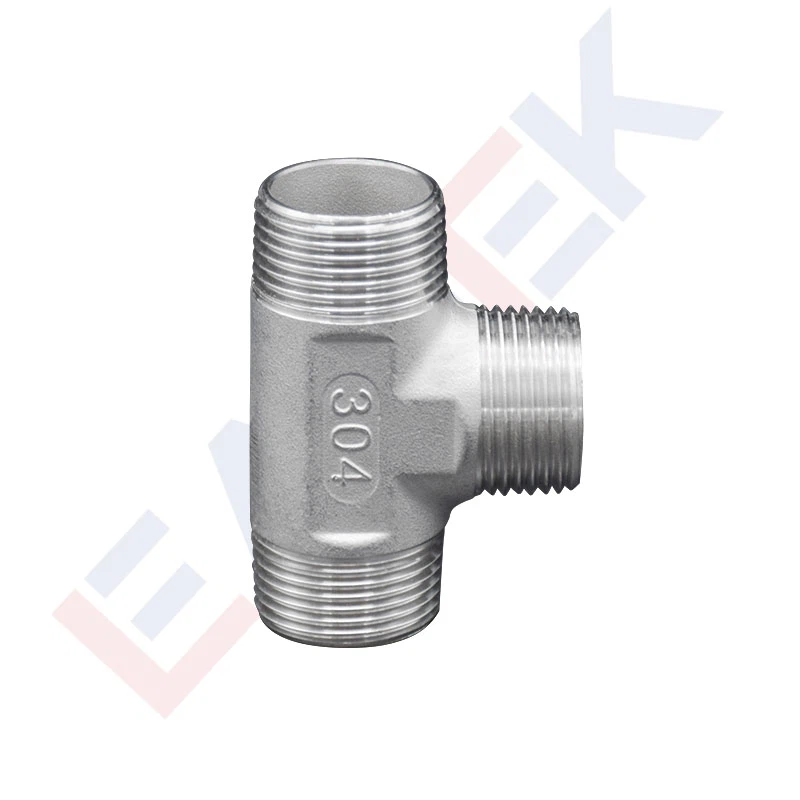

When considering the thermal stability of a full socket for your project, it's important to assess the specific temperature requirements. If you're dealing with a low - temperature application, like a cold - water plumbing system in a residential area, a full socket made from a less heat - resistant material might be sufficient. But for high - temperature industrial applications, such as steam pipelines, you'll definitely want to go for a high - quality stainless steel full socket or one with a special coating.
Let's also talk about how to test the thermal stability of a full socket. One common method is the thermal cycling test. In this test, the socket is subjected to repeated cycles of heating and cooling. The temperature range and the number of cycles are determined based on the expected operating conditions. After the thermal cycling, the socket is inspected for any signs of damage, such as cracks or leaks.
Another test is the high - temperature exposure test. The socket is placed in a controlled high - temperature environment for a certain period. Then, its physical properties, such as dimensions and strength, are measured to see how it has been affected by the heat.
As a full socket supplier, we understand the importance of thermal stability. That's why we offer high - quality full sockets that are designed and manufactured to meet the highest standards. Our Stainless Steel Tank Connector is a great example. It's made from top - grade stainless steel, ensuring excellent thermal stability and durability, even in harsh environments.
If you're in the market for full sockets or other pipe fittings, and you have specific thermal stability requirements for your project, don't hesitate to reach out. We can provide you with the right products and advice to ensure that your piping system works smoothly under all temperature conditions. Whether you're a contractor working on a large - scale industrial project or a homeowner doing a plumbing renovation, we've got you covered.
In conclusion, thermal stability is a crucial aspect of full sockets. It affects their performance, reliability, and safety. By choosing the right material, design, and manufacturing process, you can ensure that your full sockets can handle the temperature changes they'll face. And as your trusted full socket supplier, we're here to help you make the best choice for your needs. So, if you're interested in learning more or making a purchase, just get in touch, and we'll start the conversation.
References
- Smith, J. "Pipe Fittings and Their Applications." Industrial Plumbing Journal, 2020.
- Johnson, A. "Thermal Properties of Materials Used in Pipe Fittings." Material Science Review, 2021.