

What standards do full sockets comply with?
Jan 06, 2026
Leave a message
Full sockets are essential components in various industrial applications, especially in the piping systems. As a full socket supplier, I understand the importance of ensuring that our products comply with specific standards to meet the diverse needs of our customers. In this blog, I will discuss the standards that full sockets typically comply with and why these standards matter.
ISO Standards
The International Organization for Standardization (ISO) has developed a series of standards that govern the design, manufacturing, and testing of full sockets. One of the most relevant ISO standards for full sockets is ISO 4144. This standard specifies the dimensions, tolerances, and materials for stainless steel pipe fittings, including full sockets.
ISO 4144 ensures that full sockets are designed to fit seamlessly into piping systems. It defines the outside diameter, wall thickness, and length of the full socket, as well as the thread size and pitch if applicable. By adhering to these dimensions, full sockets can be easily connected to other pipe fittings, such as Stainless Steel Pipe Cap and 90 Degree Male Elbow, ensuring a leak - tight and secure connection.
In addition to dimensions, ISO 4144 also sets requirements for the materials used in full sockets. Stainless steel is a common material for full sockets due to its corrosion resistance, strength, and durability. The standard specifies the chemical composition and mechanical properties of the stainless steel, such as the minimum yield strength and tensile strength. This ensures that the full sockets can withstand the pressure and stress in the piping system without failure.
ASTM Standards
The American Society for Testing and Materials (ASTM) also plays a significant role in setting standards for full sockets. ASTM standards are widely recognized in the United States and many other countries. For full sockets made of stainless steel, ASTM A403 is a key standard.
ASTM A403 covers the general requirements for wrought austenitic stainless steel pipe fittings, including full sockets. It defines the different grades of stainless steel that can be used, such as ASTM A403 WP304 and ASTM A403 WP316. These grades have different chemical compositions and properties, which make them suitable for different applications. For example, ASTM A403 WP316 has a higher resistance to corrosion in chloride - containing environments compared to ASTM A403 WP304.
ASTM A403 also includes requirements for the manufacturing process of full sockets. It specifies the heat treatment methods, forming processes, and surface finish requirements. By following these requirements, manufacturers can ensure that the full sockets have consistent quality and performance.
Pressure - Related Standards
Full sockets are often used in piping systems that carry fluids or gases under pressure. Therefore, they must comply with pressure - related standards to ensure safety. One such standard is ASME B16.11.
ASME B16.11 covers the forged fittings, including full sockets, for use in pressure piping systems. It defines the pressure - temperature ratings of the full sockets based on their size, material, and end connection type. These ratings indicate the maximum pressure and temperature that the full socket can safely withstand. By using full sockets that comply with ASME B16.11, engineers can design piping systems that operate safely and efficiently.
Quality Control and Testing Standards
To ensure that full sockets meet the required standards, strict quality control and testing procedures are necessary. The Quality Assurance Standard ISO 9001 is often implemented by manufacturers. ISO 9001 provides a framework for quality management systems, which includes processes for design, production, inspection, and customer service.
In addition to ISO 9001, specific testing standards are also applied to full sockets. For example, hydrostatic testing is a common method to test the pressure - bearing capacity of full sockets. The full socket is filled with water and subjected to a specified pressure for a certain period of time. If there are no leaks or failures during the test, the full socket passes the hydrostatic test.
Non - destructive testing methods, such as ultrasonic testing (UT) and magnetic particle testing (MT), can also be used to detect internal and surface defects in full sockets. These testing methods help to ensure the integrity of the full sockets and prevent potential failures in the piping system.
Why Standards Matter
Compliance with standards is crucial for full sockets for several reasons. Firstly, standards ensure the interchangeability of full sockets. When full sockets comply with international or industry - recognized standards, they can be easily replaced or connected to other components in the piping system. This reduces the need for custom - made parts and simplifies the installation and maintenance process.
Secondly, standards guarantee the quality and performance of full sockets. By following strict requirements for materials, dimensions, and manufacturing processes, full sockets are more likely to have consistent quality and meet the expected performance criteria. This helps to prevent failures, such as leaks and ruptures, which can lead to costly downtime and safety hazards.
Finally, compliance with standards is often a legal requirement in many industries. For example, in the oil and gas industry, piping systems must comply with relevant standards to meet safety and environmental regulations. Using full sockets that comply with these standards helps companies to avoid legal issues and ensure the smooth operation of their facilities.
Our Commitment as a Full Socket Supplier
As a full socket supplier, we are committed to providing high - quality products that comply with all relevant standards. We source our materials from reliable suppliers and conduct strict quality control checks at every stage of the manufacturing process. Our full sockets are manufactured in accordance with ISO 4144, ASTM A403, ASME B16.11, and other relevant standards.
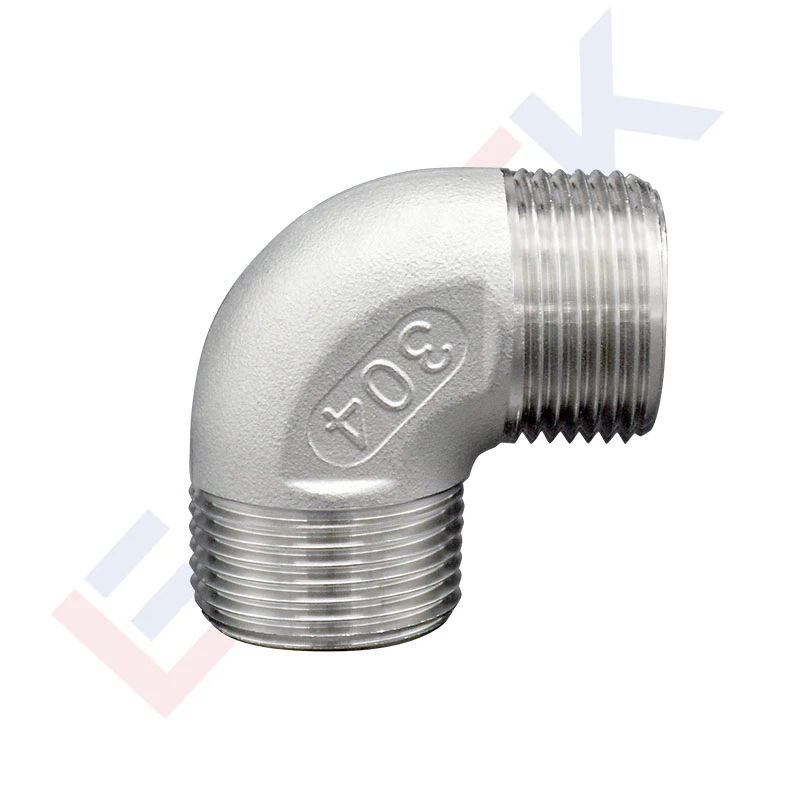

We also offer a wide range of full sockets to meet the different needs of our customers. Whether you need a full socket for a small - scale plumbing project or a large - scale industrial application, you can find the right product in our Full Socket collection.
If you are in the market for full sockets, we invite you to contact us for a detailed discussion about your requirements. Our team of experts is ready to assist you in selecting the most suitable full sockets for your project. We can also provide you with technical support and guidance throughout the purchasing process.
References
- ISO 4144: Stainless steel pipe fittings - Dimensions
- ASTM A403: Standard Specification for Wrought Austenitic Stainless Steel Piping Fittings
- ASME B16.11: Forged Fittings, Socket - Welding and Threaded
- ISO 9001: Quality management systems - Requirements