

What is the chemical resistance of a reducing street elbow in sewage applications?
Nov 04, 2025
Leave a message
Hey there! As a supplier of Reducing Street Elbows, I often get asked about the chemical resistance of these fittings, especially when it comes to sewage applications. So, I thought I'd take a deep dive into this topic and share some insights with you.
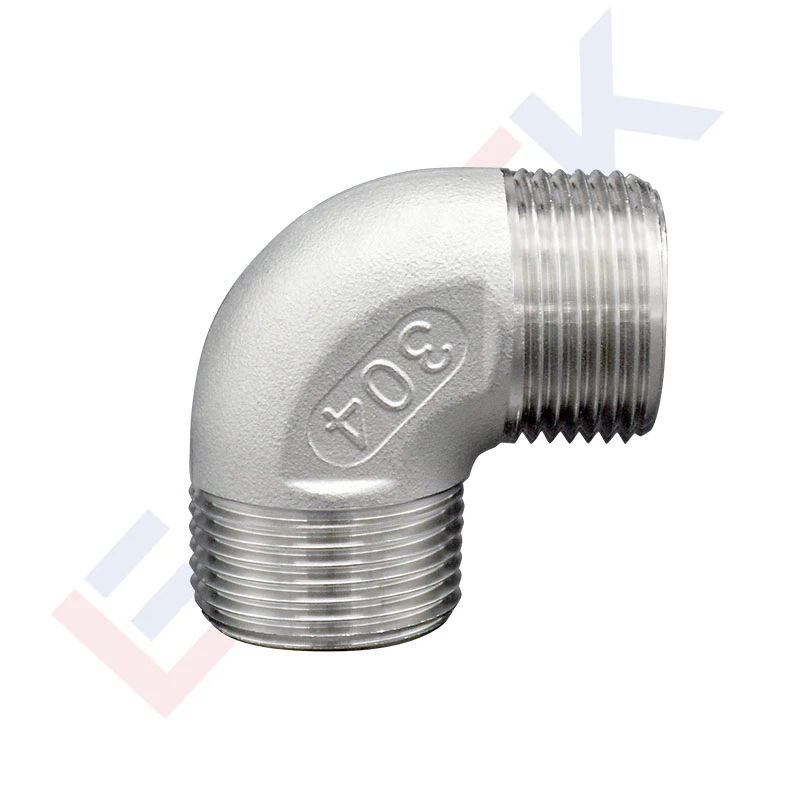

First off, let's understand what a Reducing Street Elbow is. It's a type of pipe fitting that changes the direction of the flow by 90 degrees and also reduces the pipe size at the same time. These elbows are super handy in plumbing systems, especially in sewage applications where you might need to connect pipes of different sizes while changing the flow direction.
Now, when it comes to sewage applications, the environment is pretty harsh. Sewage contains a whole bunch of chemicals, organic matter, and even some microorganisms. All these can have a significant impact on the materials used in pipe fittings. That's why chemical resistance is such a crucial factor to consider.
Common Chemicals in Sewage and Their Effects
Sewage is a complex mixture, and it can contain various chemicals that can potentially corrode or damage pipe fittings. Some of the common chemicals found in sewage include:
- Acids: Sewage can contain organic acids produced by the decomposition of organic matter. These acids can lower the pH of the sewage, making it acidic. Acidic environments can cause corrosion of metal fittings over time. For example, hydrochloric acid and sulfuric acid can react with metals like iron and steel, leading to the formation of metal salts and weakening the structure of the fitting.
- Alkalies: On the other hand, sewage can also have alkaline substances. Alkaline conditions can also be corrosive, especially to certain types of metals. For instance, aluminum fittings can be damaged in alkaline environments as they react with the hydroxide ions present in the sewage.
- Chlorides: Chlorides are commonly found in sewage, either from industrial waste or from the use of chlorine-based disinfectants. Chlorides can accelerate the corrosion process, especially in the presence of oxygen and moisture. They can cause pitting corrosion, which is a localized form of corrosion that can lead to the failure of the fitting.
- Sulfides: Sulfides are produced by the anaerobic decomposition of organic matter in sewage. These compounds can react with metals to form metal sulfides, which are often black and can cause discoloration and corrosion of the fitting.
Chemical Resistance of Reducing Street Elbows
The chemical resistance of a Reducing Street Elbow depends on the material it's made of. Here are some common materials used for these fittings and their chemical resistance properties:
- Stainless Steel: Stainless steel is a popular choice for Reducing Street Elbows in sewage applications due to its excellent corrosion resistance. It contains chromium, which forms a passive oxide layer on the surface of the metal, protecting it from corrosion. Stainless steel can withstand a wide range of chemicals, including acids, alkalies, and chlorides. However, it's important to choose the right grade of stainless steel depending on the specific chemical composition of the sewage. For example, in highly corrosive environments, a higher grade of stainless steel like 316L might be required. You can check out our Hose Nipple Stainless Steel for more information on stainless steel fittings.
- PVC (Polyvinyl Chloride): PVC is a non-metallic material that is also commonly used for pipe fittings in sewage applications. It has good chemical resistance to many acids, alkalies, and salts. PVC is not affected by the corrosion processes that metals are prone to, making it a durable option in sewage systems. However, it has some limitations. PVC can be damaged by certain organic solvents and high temperatures. It's also important to ensure that the PVC fittings are properly installed to prevent any leakage.
- Brass: Brass is an alloy of copper and zinc. It has moderate chemical resistance and is often used in less corrosive sewage applications. Brass can withstand some acids and alkalies, but it's more susceptible to corrosion compared to stainless steel. In environments with high chloride content, brass fittings may experience dezincification, where the zinc in the alloy is selectively removed, leaving behind a porous and weakened copper structure.
Factors Affecting Chemical Resistance
Apart from the material of the Reducing Street Elbow, there are other factors that can affect its chemical resistance in sewage applications:
- Temperature: Higher temperatures can accelerate the chemical reactions between the sewage and the fitting material. For example, in a sewage treatment plant where the sewage is heated for certain processes, the corrosion rate of the fittings may increase. It's important to choose a fitting material that can withstand the temperature conditions of the sewage system.
- Flow Rate: The flow rate of the sewage can also impact the chemical resistance of the fitting. High flow rates can cause erosion corrosion, where the moving sewage scours the surface of the fitting, removing the protective layer and exposing it to further corrosion. In areas with high flow rates, it may be necessary to use more durable fitting materials.
- Exposure Time: The longer the fitting is exposed to the sewage, the more likely it is to be affected by chemical corrosion. In long-term sewage applications, it's crucial to choose a fitting material with high chemical resistance to ensure its longevity.
Testing and Certification
To ensure the chemical resistance of Reducing Street Elbows in sewage applications, it's important to have them tested and certified. There are various standards and tests available that can evaluate the performance of the fittings in different chemical environments. For example, the ASTM (American Society for Testing and Materials) has a series of standards for testing the corrosion resistance of metals and non-metallic materials.
When choosing a Reducing Street Elbow for your sewage application, look for fittings that have been tested and certified according to relevant standards. This will give you peace of mind knowing that the fitting can withstand the chemical conditions of your sewage system.
Conclusion
In conclusion, the chemical resistance of a Reducing Street Elbow in sewage applications is a critical factor to consider. The choice of material depends on the specific chemical composition of the sewage, as well as other factors like temperature, flow rate, and exposure time. Stainless steel, PVC, and brass are some of the common materials used, each with its own advantages and limitations.
If you're in the market for Reducing Street Elbows or other pipe fittings for your sewage application, feel free to reach out. We're here to help you choose the right fitting that meets your specific requirements. You can also check out our 90 Degree Male Elbow and Stainless Steel Tank Connector for more options. Let's have a chat and find the best solution for your project!
References
- ASTM International. (Year). Standard test methods for evaluating the corrosion resistance of materials.
- Water Environment Federation. (Year). Manual of practice for sewage treatment plant design.
- Pipe Fittings Handbook. (Year). A comprehensive guide to pipe fitting materials and applications.