

What are the requirements for product labeling in ISO 4144?
Oct 28, 2025
Leave a message
ISO 4144 is an international standard that specifies the requirements for steel pipe fittings, including elbows, tees, and couplings, used in industrial applications. As a supplier of ISO 4144-compliant products, I understand the importance of proper product labeling. In this blog post, I'll delve into the requirements for product labeling in ISO 4144, explaining why they matter and how they benefit both suppliers and customers.
General Purpose of Product Labeling in ISO 4144
Product labeling in ISO 4144 serves several crucial purposes. Firstly, it provides essential information about the product, enabling users to make informed decisions. This includes details about the type of fitting, its size, material, and pressure rating. Secondly, accurate labeling ensures that the product is used correctly, which is vital for safety and performance. For example, if a fitting is mislabeled with an incorrect pressure rating, it could lead to a dangerous situation in an industrial setting.
Mandatory Information on Product Labels
ISO 4144 mandates that certain information must be clearly marked on the product label. This information is designed to provide a comprehensive overview of the product's characteristics and capabilities.
1. Standard Designation
The label should clearly state that the product conforms to ISO 4144. This is the first piece of information that users look for, as it indicates that the product meets international quality and safety standards. For example, a Street Elbow 90 compliant with ISO 4144 will have the standard designation prominently displayed on its label.

2. Fitting Type
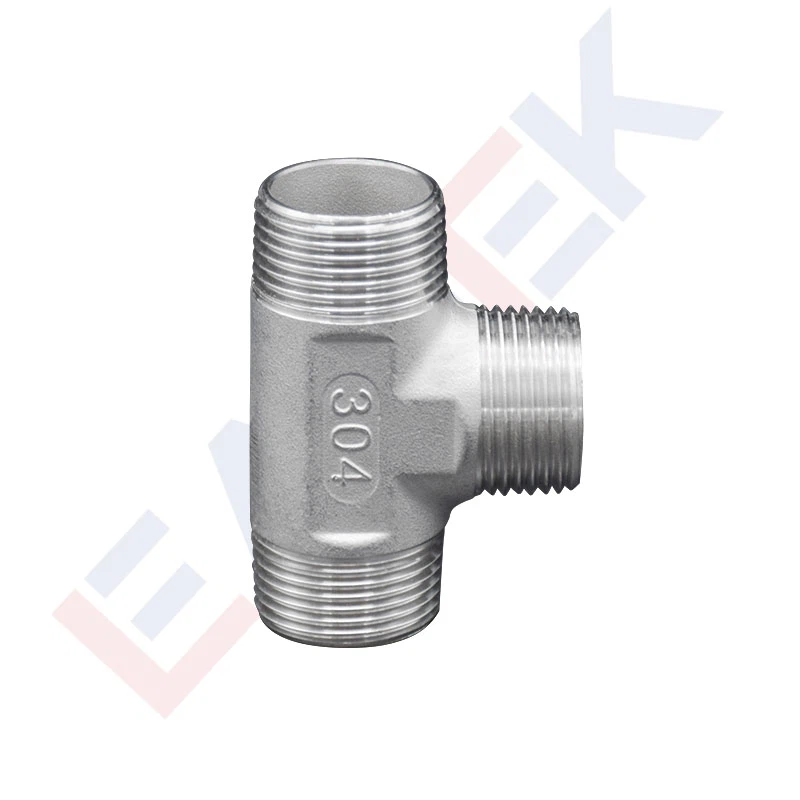
The type of fitting must be specified. This could be an elbow, tee, coupling, or any other type defined in the standard. For instance, a Stainless Steel Tee or a Stainless Steel Male Tee will have their respective fitting types clearly marked. This helps users quickly identify the product they need for their specific application.
3. Nominal Size
The nominal size of the fitting is another critical piece of information. It indicates the size of the pipe that the fitting is designed to connect to. This is usually expressed in millimeters or inches, depending on the regional standards. Accurate nominal size labeling is essential to ensure a proper fit between the fitting and the pipe.
4. Material Grade
The material grade of the fitting must be specified. ISO 4144 covers a range of materials, including different grades of steel. Knowing the material grade is important as it affects the fitting's strength, corrosion resistance, and other properties. For example, a fitting made from a high-grade stainless steel will be more suitable for corrosive environments than one made from a lower-grade material.
5. Pressure Rating
The pressure rating indicates the maximum pressure that the fitting can safely withstand. This is a crucial parameter, especially in industrial applications where high pressures are common. Incorrect pressure rating labeling can lead to fitting failure, which can have serious consequences for safety and productivity.
6. Manufacturer's Identification
The label should also include the manufacturer's identification, such as the company name or logo. This allows users to contact the manufacturer for further information or support. It also provides a level of accountability, as the manufacturer is responsible for the quality of the product.
Optional Information on Product Labels
In addition to the mandatory information, ISO 4144 allows for optional information to be included on the product label. This can provide additional value to the user and enhance the overall understanding of the product.
1. Heat Number
The heat number is a unique identifier assigned to a batch of material during the manufacturing process. Including the heat number on the label allows for traceability, which can be useful in case of quality control issues or recalls.
2. Coating or Surface Treatment
If the fitting has a special coating or surface treatment, such as galvanizing or painting, this information can be included on the label. It helps users understand the additional protection or properties that the coating provides.
3. Certification Marks
Certification marks from recognized organizations can be added to the label to further validate the product's compliance with ISO 4144 and other relevant standards. These marks can enhance the product's credibility and trustworthiness.
Labeling Methods and Durability
ISO 4144 also provides guidelines on the labeling methods and the durability of the labels. The labeling method should ensure that the information is clear, legible, and permanent. This can be achieved through methods such as engraving, stamping, or using high-quality adhesive labels.
The label should be able to withstand the environmental conditions in which the fitting is used. For example, in outdoor or corrosive environments, the label should be resistant to moisture, chemicals, and abrasion. This ensures that the information remains readable throughout the fitting's service life.
Benefits of Compliance with ISO 4144 Labeling Requirements
For Suppliers
- Enhanced Reputation: By complying with ISO 4144 labeling requirements, suppliers demonstrate their commitment to quality and safety. This can enhance their reputation in the market and attract more customers.
- Legal Compliance: Compliance with international standards helps suppliers avoid legal issues and potential liabilities. It ensures that their products meet the necessary regulatory requirements.
- Market Access: Many industries and customers require products to comply with ISO 4144. By meeting these requirements, suppliers can access a wider market and increase their sales opportunities.
For Customers
- Safety Assurance: Accurate and complete product labeling provides customers with the confidence that the fitting they are using is safe and suitable for their application. This reduces the risk of accidents and equipment failures.
- Ease of Selection: The clear information on the label makes it easier for customers to select the right fitting for their needs. They can quickly compare different products based on their specifications and choose the one that best meets their requirements.
- Technical Support: The manufacturer's identification on the label allows customers to contact the supplier for technical support or additional information. This can be invaluable in case of installation or operation issues.
Conclusion
In conclusion, product labeling in ISO 4144 is a critical aspect of ensuring the safety, performance, and proper use of steel pipe fittings. As a supplier of ISO 4144-compliant products, I am committed to providing products with accurate and comprehensive labels. By adhering to the ISO 4144 labeling requirements, we not only meet the needs of our customers but also contribute to a safer and more efficient industrial environment.
If you are in the market for high-quality ISO 4144-compliant pipe fittings, I invite you to contact us for a detailed discussion about your requirements. Our team of experts is ready to assist you in selecting the right products for your specific application. Whether you need a Street Elbow 90, a Stainless Steel Tee, or any other type of fitting, we have the expertise and the products to meet your needs.
References
- ISO 4144: Steel pipe fittings for general use. International Organization for Standardization.
- Industrial Pipe Fitting Handbook. Various industry publications.