

How to select the pressure rating of a 1 pc ball valve?
Nov 10, 2025
Leave a message
Hey there! As a supplier of 1 pc ball valves, I've seen firsthand how crucial it is to select the right pressure rating for these valves. It can make or break your system's performance, so let's dive into how you can make the best choice.
Understanding Pressure Ratings
First off, what exactly is a pressure rating? Simply put, it's the maximum pressure that a valve can handle safely without failing. This rating is usually measured in pounds per square inch (psi) or bars. For 1 pc ball valves, the pressure rating indicates the amount of pressure the valve can withstand while maintaining its structural integrity and functionality.
When you're dealing with different applications, the pressure requirements can vary widely. For example, in a low - pressure residential plumbing system, you might only need a valve with a relatively low pressure rating. On the other hand, industrial applications like oil and gas pipelines often demand valves with extremely high pressure ratings.
Factors Affecting Pressure Rating Selection
1. Application Type
The type of application is the most significant factor. If you're using the 1 Piece Ball Valve in a water supply system for a single - family home, a pressure rating of around 150 - 200 psi should be sufficient. These systems typically operate at relatively low pressures, and a valve with this rating can handle normal water flow and pressure fluctuations.
However, in an industrial setting such as a chemical processing plant, the pressure can be much higher. You might need a valve with a pressure rating of 600 psi or more. Chemical processes often involve high - pressure pumps and reactors, and the valve needs to be able to withstand these extreme conditions without leaking or failing.
2. Fluid Properties
The properties of the fluid flowing through the valve also play a role. If you're dealing with a viscous fluid like oil, it can create more resistance as it flows through the valve. This increased resistance can lead to higher pressures within the system. In such cases, you'll need a valve with a higher pressure rating to handle the additional stress.
On the other hand, if the fluid is a gas, the pressure characteristics can be different. Gases are more compressible than liquids, and sudden changes in pressure can occur more easily. For gas applications, it's important to consider the potential for pressure surges and choose a valve with a pressure rating that can accommodate these fluctuations.
3. System Design
The overall design of the system is another important consideration. If the system has long pipelines or multiple components, there can be pressure drops and increases at different points. You need to analyze the pressure distribution throughout the system to determine the maximum pressure that the valve will experience.
For example, if there are pumps in the system that boost the pressure, the valve downstream of the pumps will need to have a higher pressure rating to handle the increased pressure. Additionally, if the system has valves or other components that can restrict the flow and cause pressure build - up, this must be factored into the pressure rating selection.
How to Determine the Right Pressure Rating
1. Consult System Specifications
The first step is to look at the specifications of your system. If it's a new installation, the engineering plans should include information about the expected operating pressure. This can give you a starting point for selecting the appropriate pressure rating for the 1 Piece Ball Valve.

If it's an existing system, you can measure the pressure using pressure gauges at different points in the system. This will give you a real - world understanding of the pressure conditions and help you make an informed decision.
2. Consider Safety Margins
It's always a good idea to add a safety margin when selecting the pressure rating. For example, if your system is designed to operate at a maximum pressure of 300 psi, it's wise to choose a valve with a pressure rating of 400 - 500 psi. This extra margin provides a buffer in case of unexpected pressure spikes or changes in the system.
Safety margins are especially important in critical applications where a valve failure could have serious consequences, such as in a nuclear power plant or a high - pressure gas pipeline.
3. Evaluate Future Expansion
Think about the future of your system. If there are plans to expand the system or increase its capacity, the pressure requirements might change. For instance, if you're planning to add more equipment or increase the flow rate in the future, the pressure in the system could increase.
In such cases, it's better to choose a valve with a higher pressure rating now to avoid having to replace the valve later. This can save you time and money in the long run.
Different Types of 1 pc Ball Valves and Their Pressure Ratings
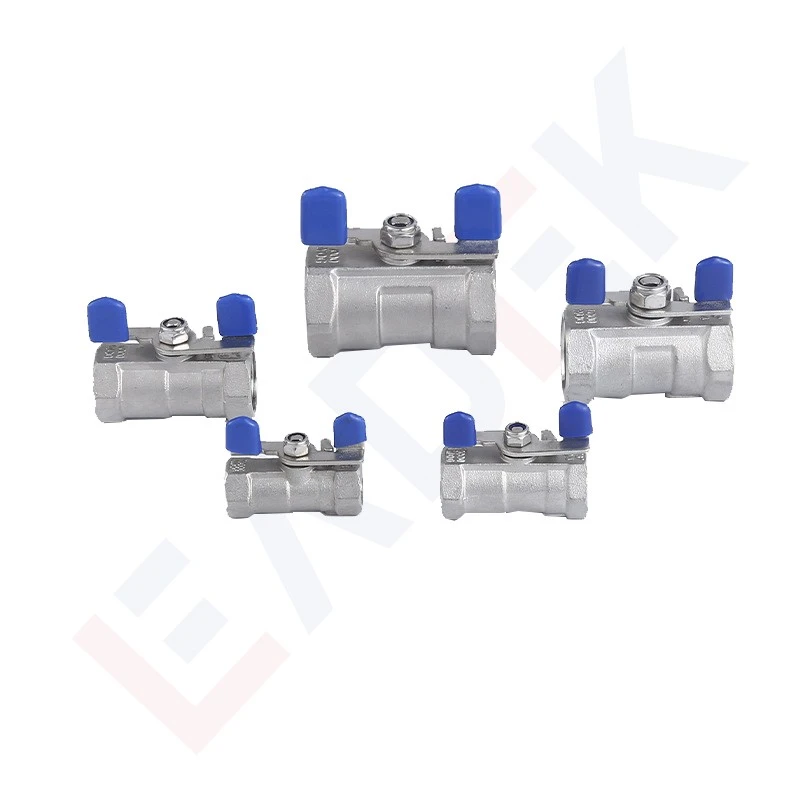
1. 1PC Butterfly Handle Ball Valve
These valves are commonly used in a variety of applications, from residential plumbing to light industrial use. They typically come with pressure ratings ranging from 150 psi to 600 psi. The lower - rated valves are suitable for low - pressure water systems, while the higher - rated ones can handle more demanding applications such as some chemical and oil - based systems.
2. 1PC Ball Valve Heavy Lockable
As the name suggests, these valves are designed for heavy - duty applications. They often have higher pressure ratings, starting from 600 psi and going up to 1500 psi or more. These valves are commonly used in high - pressure industrial pipelines, refineries, and other critical systems where reliability and high - pressure resistance are essential.
Conclusion
Selecting the right pressure rating for a 1 pc ball valve is a critical decision that can impact the performance and safety of your system. By considering factors such as application type, fluid properties, system design, and future expansion, you can make an informed choice.
If you're still unsure about which pressure rating is right for your specific needs, don't hesitate to reach out. We're here to help you select the perfect 1 pc ball valve for your application. Whether you're a small - scale residential user or a large - scale industrial client, we have the expertise and the product range to meet your requirements. Contact us today to start the procurement process and let's work together to find the best solution for your system.
References
- "Valve Handbook" by Valve Manufacturers Association
- "Fluid Mechanics and Hydraulics" textbooks for understanding fluid pressure principles.