

How to prevent the freezing of a 1 Piece Ball Valve in cold environments?
Oct 14, 2025
Leave a message
Hey there! As a supplier of 1 Piece Ball Valves, I've seen firsthand how freezing temperatures can mess with these essential components. In cold environments, the water or other fluids inside a 1 Piece Ball Valve can freeze, expand, and cause the valve to crack or malfunction. This not only disrupts operations but can also lead to costly repairs and replacements. So, let's dive into some practical ways to prevent the freezing of a 1 Piece Ball Valve.
Understanding the Problem
Before we jump into the solutions, it's important to know why freezing happens. When water freezes, it expands. In a valve, this expansion can create a tremendous amount of pressure. Since valves are made to be tight - fitting and sturdy, they often can't handle this sudden increase in pressure. As a result, the valve body, seats, or other parts may crack, leading to leaks or complete failure.
Insulation is Key
One of the simplest and most effective ways to prevent freezing is insulation. You can use specialized valve insulation kits, which are readily available in the market. These kits usually come with pre - cut foam or rubber insulation that can be easily wrapped around the 1 Piece Ball Valve. The insulation acts as a barrier, reducing the heat transfer between the valve and the cold environment.
Another option is to use heat - tracing tapes. These tapes are electrical devices that generate heat when plugged in. You can wrap the heat - tracing tape around the valve and then cover it with insulation. This setup helps maintain a consistent temperature inside the valve, preventing the fluid from freezing.
Drainage
If you're in an area where freezing temperatures are expected, consider draining the valve when it's not in use. Most 1 Piece Ball Valves have a drain port. Open this port to let any remaining fluid out. By removing the fluid, you eliminate the risk of it freezing and causing damage.
However, make sure to follow the manufacturer's instructions when draining the valve. Some fluids may need to be disposed of properly, and improper drainage can also lead to other issues like corrosion.
Keep the Flow Going
Flowing water is less likely to freeze than stagnant water. If possible, keep a slow but continuous flow of fluid through the 1 Piece Ball Valve. This can be achieved by adjusting the system's settings. For example, in a plumbing system, you can slightly open a nearby faucet to maintain a trickle of water. This constant movement helps keep the temperature of the fluid above the freezing point.
Use Anti - Freeze Solutions
In some cases, adding an anti - freeze solution to the fluid in the valve can be a good option. There are various types of anti - freeze available, but make sure to choose one that is compatible with the material of the valve and the fluid it contains. For example, if the valve is made of stainless steel and is used in a water - based system, a water - soluble anti - freeze designed for stainless - steel components would be appropriate.
Protect the Valve Location
The location of the 1 Piece Ball Valve can also play a big role in preventing freezing. Try to install the valve in a sheltered area, such as an indoor utility room or a heated enclosure. If the valve has to be outside, consider building a small shed or using a valve box to protect it from direct exposure to cold winds and snow.
Regular Maintenance
Regular maintenance is crucial for preventing freezing and other issues. Check the valve regularly for any signs of damage, such as cracks or leaks. Make sure the insulation is intact and the heat - tracing tape (if used) is working properly. Lubricate the valve's moving parts as recommended by the manufacturer to ensure smooth operation.

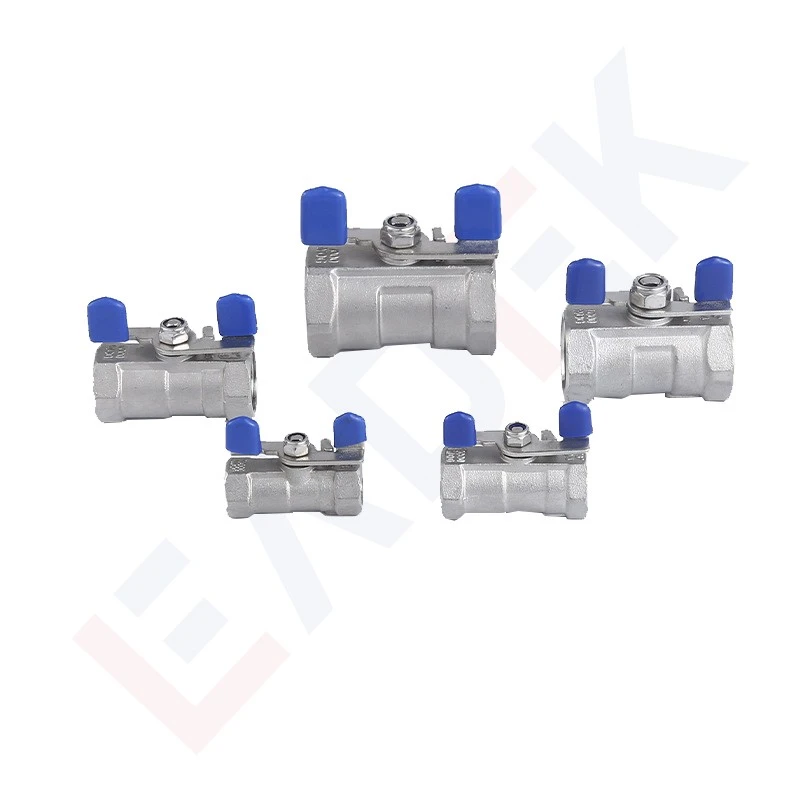
Different Types of 1 Piece Ball Valves
We offer a variety of 1 Piece Ball Valves, including the 1 Piece Ball Valve, the 1PC Butterfly Handle Ball Valve, and the 1PC Ball Valve Heavy Lockable. Each type has its own features and benefits, but all of them require proper protection in cold environments.
Conclusion
Preventing the freezing of a 1 Piece Ball Valve in cold environments is all about taking proactive steps. Insulation, drainage, keeping the flow going, using anti - freeze solutions, protecting the valve location, and regular maintenance are all important measures. By following these tips, you can ensure that your 1 Piece Ball Valve continues to function properly even in the coldest of conditions.
If you're in the market for high - quality 1 Piece Ball Valves or need more advice on preventing freezing, feel free to reach out. We're here to help you make the best choices for your needs. Whether you're a small - scale user or a large - scale industrial client, we've got the right valve for you. Contact us to start a purchase negotiation and get the best deal on our 1 Piece Ball Valves.
References
- "Valve Handbook" by Valves Magazine
- Manufacturer's guides for 1 Piece Ball Valves