

How to detect if a stainless steel tee is of good quality?
Nov 18, 2025
Leave a message
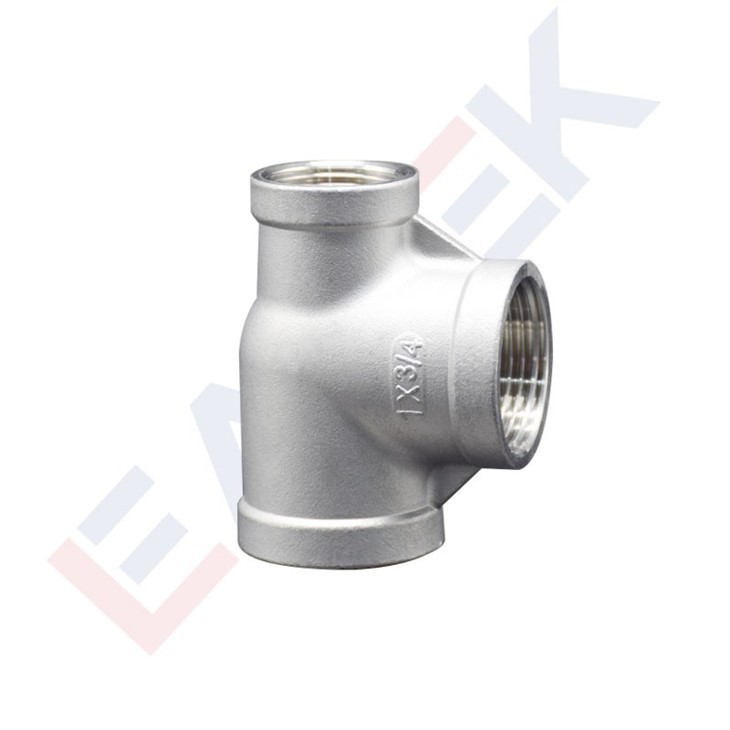
When it comes to the world of piping systems, stainless steel tees play a crucial role. As a dedicated stainless steel tee supplier, I understand the importance of providing high - quality products to my customers. In this blog, I'll share some key insights on how to detect if a stainless steel tee is of good quality.
1. Material Composition
The first step in assessing the quality of a stainless steel tee is to examine its material composition. Stainless steel is an alloy, and its quality is largely determined by the percentage of different elements it contains.
- Chromium Content: Chromium is a key element in stainless steel as it forms a passive oxide layer on the surface, which provides corrosion resistance. A good - quality stainless steel tee should have a chromium content of at least 10.5%. Higher chromium levels generally mean better corrosion resistance. For example, 304 stainless steel, a commonly used grade for tees, contains around 18 - 20% chromium.
- Nickel Content: Nickel enhances the ductility and toughness of stainless steel. In grades like 304 and 316, nickel is added to improve the material's resistance to corrosion, especially in acidic environments. A well - made stainless steel tee with a higher nickel content will be more durable and less likely to crack under stress.
- Other Elements: Small amounts of elements such as molybdenum can also be present in some stainless steel grades. Molybdenum further improves the corrosion resistance, particularly in chloride - rich environments. For instance, 316 stainless steel, which contains about 2 - 3% molybdenum, is ideal for marine applications.
To verify the material composition, you can request a material test report from the supplier. This report will detail the exact percentages of each element in the stainless steel tee. If you want to explore other related stainless steel products, you can check out Stainless Steel Hex Nut.
2. Surface Finish
The surface finish of a stainless steel tee can tell a lot about its quality.
- Smoothness: A high - quality tee will have a smooth surface. Rough surfaces can be a sign of poor manufacturing processes or low - grade materials. You can run your hand over the surface of the tee to check for any bumps, ridges, or scratches. A smooth surface not only looks better but also reduces the risk of corrosion, as dirt and moisture are less likely to accumulate on it.
- Color Consistency: The color of the stainless steel tee should be consistent throughout. Any discoloration could indicate improper heat treatment or the presence of impurities. For example, a patchy or uneven color might suggest that the tee has been exposed to high temperatures in an inconsistent manner during manufacturing.
- Lack of Oxidation: Oxidation, or rust, is a clear sign of poor quality. A good stainless steel tee should be free from any signs of rust or oxidation, even in areas that are not immediately visible. Check the inside of the tee, as well as the edges and corners, for any signs of discoloration or corrosion.
3. Dimensional Accuracy
Accurate dimensions are essential for a stainless steel tee to fit properly into a piping system.
- Outer Diameter and Wall Thickness: The outer diameter and wall thickness of the tee should match the specified standards. Deviations from the standard dimensions can lead to installation problems and may affect the performance of the piping system. You can use a caliper to measure the outer diameter and wall thickness at multiple points along the tee to ensure consistency.
- Branch and Run Dimensions: The lengths and angles of the branches and the run of the tee should also be precise. Incorrect angles can cause flow disturbances in the piping system, leading to reduced efficiency and increased wear and tear. A good - quality tee will have branches and runs that are cut and formed to the correct dimensions and angles.
- Tolerance Levels: Reputable manufacturers will adhere to strict tolerance levels when producing stainless steel tees. These tolerance levels specify the acceptable range of variation from the nominal dimensions. Make sure to check the product specifications to ensure that the tee meets the required tolerance levels. If you are interested in different types of tees, you can visit Stainless Reducing Tee.
4. Weld Quality (if applicable)
Many stainless steel tees are welded during the manufacturing process. The quality of the welds is crucial for the overall integrity of the tee.
- Visual Inspection: Start by visually inspecting the welds. The welds should be smooth, continuous, and free from cracks, porosity, or other defects. A good weld will blend seamlessly with the base material of the tee. Any signs of spatter or unevenness can indicate poor welding techniques.
- Penetration: The weld should penetrate the base material to the appropriate depth. Inadequate penetration can result in weak joints that are prone to failure under pressure. Non - destructive testing methods such as ultrasonic testing or radiographic testing can be used to check the weld penetration.
- Weld Strength: The strength of the weld is also important. A high - quality weld should be able to withstand the same level of stress as the base material. You can ask the supplier for test results or certifications related to the weld strength.
5. Pressure Rating
The pressure rating of a stainless steel tee indicates the maximum pressure it can safely withstand.
- Manufacturer's Rating: Check the manufacturer's specified pressure rating for the tee. This rating is based on factors such as the material, wall thickness, and design of the tee. Make sure that the pressure rating of the tee is suitable for the intended application. For example, if the tee will be used in a high - pressure piping system, it should have a high enough pressure rating to prevent leaks or failures.
- Testing: Reputable manufacturers will test their stainless steel tees to ensure that they meet the specified pressure ratings. You can ask the supplier for test reports or certifications to verify the tee's pressure - handling capabilities. If you need other types of pipe fittings for high - pressure systems, 90 Degree Hose Elbow might be a good option.
6. Manufacturer's Reputation
The reputation of the manufacturer can be a good indicator of the quality of the stainless steel tee.
- Industry Experience: A manufacturer with a long - standing presence in the industry is more likely to have the expertise and experience to produce high - quality tees. Look for manufacturers who have been in business for several years and have a track record of providing reliable products.
- Certifications: Check if the manufacturer has relevant certifications such as ISO 9001, which indicates that the company has a quality management system in place. Other certifications, such as those related to specific industries or applications, can also be a sign of a high - quality product.
- Customer Reviews: Reading customer reviews and testimonials can give you an idea of the manufacturer's reputation. Positive reviews from satisfied customers are a good sign, while negative reviews should raise red flags.
Conclusion
Detecting the quality of a stainless steel tee requires a comprehensive approach. By examining the material composition, surface finish, dimensional accuracy, weld quality (if applicable), pressure rating, and the manufacturer's reputation, you can make an informed decision when purchasing stainless steel tees. As a stainless steel tee supplier, I am committed to providing high - quality products that meet all these criteria. If you are in the market for stainless steel tees or have any questions about our products, I encourage you to contact me for procurement and further discussions.

References
- ASME B16.9 - Factory - Made Wrought Buttwelding Fittings
- ASTM A403 - Standard Specification for Wrought Austenitic Stainless Steel Piping Fittings
- ISO 4144 - Steel butt - welding pipe fittings