

Reliable Sealing Solutions for Stainless Steel Street Elbow 90 in Industrial Fluid Control Systems
Aug 14, 2026
Leave a message
Ensuring a secure and leak-free connection is vital in modern industrial piping infrastructure. As a leading manufacturer specializing in high-precision stainless steel fluid control accessories, Zhejiang Leadtek Fluid Technology Co., Ltd. provides advanced piping components designed for rigorous environments. A properly sealed stainless steel component prevents media leakage, minimizes downtime, and guarantees operational safety across complex fluid networks. This comprehensive guide outlines the professional methodologies required to seal high-performance stainless steel threaded fittings effectively, ensuring long-term durability and reliability.
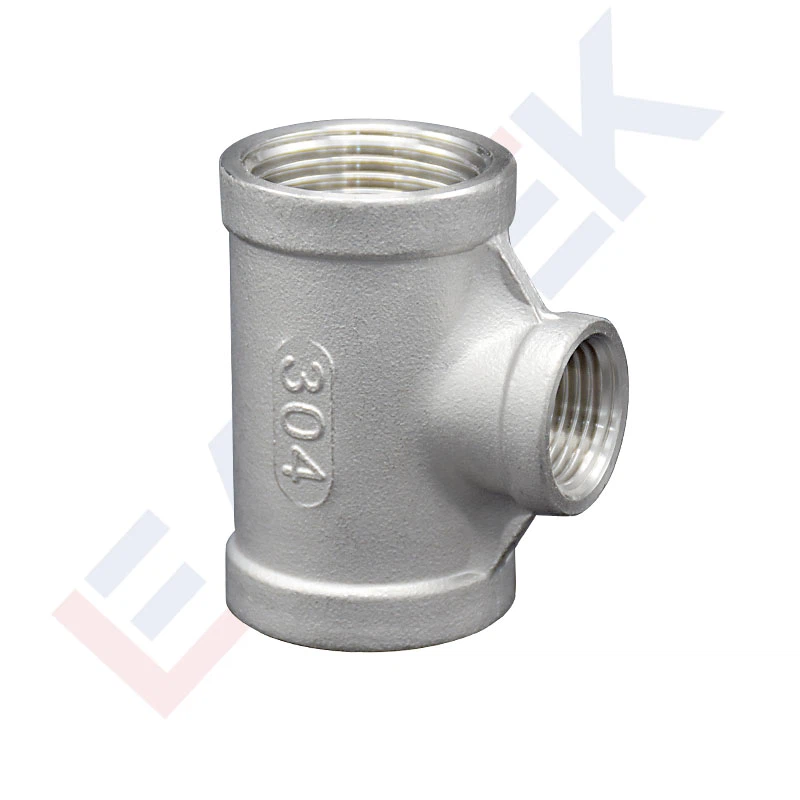
Essential Tools and Materials for Professional Installation
Before initiating the installation process, assembling the correct professional-grade materials is critical. Industrial stainless steel applications demand higher performance standards than standard residential plumbing.
- High-Density Teflon Tape (PTFE Tape): Specifically chosen for its chemical resistance and ability to form a tight barrier under varying thermal conditions.
- Anaerobic Pipe Sealant or Heavy-Duty Pipe Dope: Used in conjunction with PTFE tape to fill micro-voids in threaded interfaces, providing a chemical bond resistant to high vibration.
- Calibrated Open-End Wrenches or Pipe Wrenches: Precision tools designed to apply controlled torque without deforming the fitting body.
- Wire Brush and Degreasing Solvent: Essential for cleaning threading surfaces prior to application.
Using superior materials ensures that the installation aligns with global quality standards, supporting applications ranging from high-pressure petrochemical setups to delicate semiconductor cleanrooms.
Thread Inspection and Surface Preparation
Meticulous surface preparation forms the foundation of any leak-free pipeline assembly. Even the highest-grade components require careful inspection before deployment.
Inspect the male and female threads of both the piping component and the mating connection for any manufacturing burrs, nicks, or surface debris. Industrial components manufactured through rigorous machining must remain pristine to achieve optimal metal-to-metal engagement. Use a fine wire brush or appropriate cleaning solvent to eliminate any residual cutting oils, metal shavings, or dirt. A clean surface ensures that the sealing compound and thread tape adhere uniformly, eliminating potential leak paths caused by trapped particulate matter.
Professional Application of PTFE Tape
Applying Teflon tape requires precision to ensure it acts as a mechanical lubricant and a thread sealer simultaneously.
Begin by holding the loose end of the PTFE tape against the second thread of the male connector, leaving the first thread completely bare to facilitate smooth initial alignment. Pull the tape taut and wrap it firmly around the threads in a clockwise direction, following the helical path of the thread pattern. Wrapping counter-clockwise will cause the tape to unravel or bunch up when the fitting is screwed into place.
Apply approximately 3 to 5 full rotations, ensuring the tape molds tightly into the thread roots. This controlled thickness prevents excessive buildup that could crack female mating components due to over-straining during tightening.
Enhancing Sealing Security with Pipe Dope
To achieve maximum reliability in demanding environments, combining PTFE tape with a compatible industrial pipe dope or anaerobic sealant provides secondary protection.
Squeeze a moderate layer of the thread sealant directly over the tape-wrapped threads. Use a clean applicator brush to distribute the paste evenly around the entire circumference. The compound acts as a hydraulic seal, filling microscopic gaps between the male and female threads that tape alone might leave exposed. Furthermore, it acts as a lubricant during the final tightening phase, preventing thread galling-a common issue when working with austenitic stainless steel alloys such as CF8M or 304L.
Precision Assembly and Torque Control
With the threads properly prepared, carefully align the components to prevent cross-threading, which permanently destroys component integrity.
Begin by hand-tightening the fitting into the female port until snug. This initial manual alignment confirms that the threads are tracking straight. Once resistance increases, use calibrated wrenches to apply final torque, typically an additional 1 to 2 full turns past hand-tight. Avoid excessive force; over-tightening stainless steel components can distort the thread geometry, compromise the structural integrity of the assembly, and lead to premature failure under operational stress.
System Integration and Multi-Component Layouts
Complex fluid networks frequently integrate diverse components to optimize directional flow and system layout. When expanding infrastructure, engineers often incorporate specialized accessories alongside standard elbows. For instance, incorporating stainless steel pipe fittings ensures seamless transitions across varying pipeline diameters, while maintaining uniform corrosion resistance throughout the circuit.
In high-purity sectors like food processing and pharmaceuticals, maintaining smooth internal contours is essential to prevent fluid entrapment. Utilizing high-grade sanitary fluid control elements alongside robust structural components guarantees that the entire network complies with strict international cleanliness and safety mandates.

Environmental Considerations and Pressure Ratings
Operational environments dictate the specific sealing strategies required for long-term success. Systems exposed to extreme thermal fluctuations or aggressive chemical media experience significant expansion and contraction cycles.
For high-pressure petrochemical or high-temperature energy storage applications, verifying the pressure rating of every component is non-negotiable. Selecting specialized, high-temperature-resistant sealants ensures that the sealing matrix does not degrade or bake out under continuous thermal stress. Integrating components backed by rigorous quality frameworks-such as ISO 9001 and CE certifications-provides engineers with documented assurance of performance under pressure.
Post-Installation Hydrostatic Leak Testing
Validation is the final critical phase of the installation workflow. Once the assembly cures according to the sealant manufacturer's instructions, slowly introduce fluid or air pressure into the system.
Perform a thorough visual inspection along every threaded junction and interface. Look closely for active drips, moisture accumulation, or pressure drops within the monitoring gauges. If minor weeping occurs, depressurize the system entirely before attempting corrective torque adjustments. Never attempt to tighten or modify pressurized lines, as sudden structural failures can result in severe workplace hazards.
Conclusion and Procurement Support
Mastering the correct sealing technique for threaded fluid control components safeguards system efficiency, reduces maintenance overhead, and extends infrastructure lifespans. By combining meticulous surface preparation, proper tape-and-dope application, and precise torque control, operators can eliminate operational leaks entirely.
For organizations seeking durable, certified fluid control solutions, Zhejiang Leadtek Fluid Technology Co., Ltd. offers an extensive catalog of precision-engineered products designed to meet global industrial standards. Reach out to our technical team today to discuss your specific project requirements, review comprehensive specification sheets, and source high-performance components tailored to your operational needs.