

How to Verify if a 2 Piece Ball Valve Meets International Standards
Oct 22, 2026
Leave a message
Standard Specifications and Structural Integrity
Evaluating whether industrial flow control components adhere to global quality standards requires a systematic understanding of valve design, pressure testing, and material certification. A 2 piece ball valve consists of a main body and an end piece threaded or bolted together, housing a precision-engineered sphere that controls fluid passage. Because these components operate in demanding environments-ranging from petrochemical processing to high-pressure water treatment-rigorous verification against ASME B16.34 and ISO standards is vital to prevent catastrophic system leaks and operational downtime.
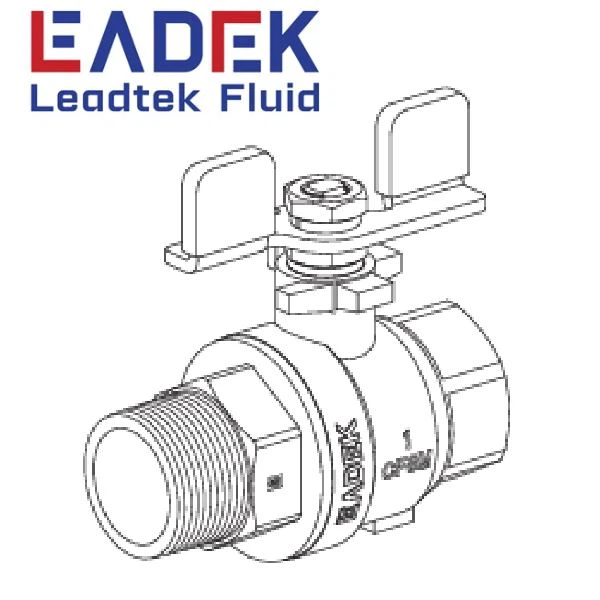
Material Verification and Metallurgical Compliance
Material authenticating forms the first line of defense in valve manufacturing. High-performance industrial valves are routinely cast from ASTM A351 CF8 (304) or CF8M (316) stainless steel grades. Verifying compliance requires reviewing Material Test Reports (MTRs) according to EN 10204 3.1 standards rather than relying solely on magnetic tests, as cold machining can induce slight ferromagnetism in authentic austenitic stainless steel. Furthermore, compliant manufacturers permanently cast grade markings, heat numbers, and pressure ratings directly onto the valve body during the precision casting process. Selecting a certified 2 pc ball valve ensures that the chemical composition and mechanical strength meet full international traceabilty requirements.
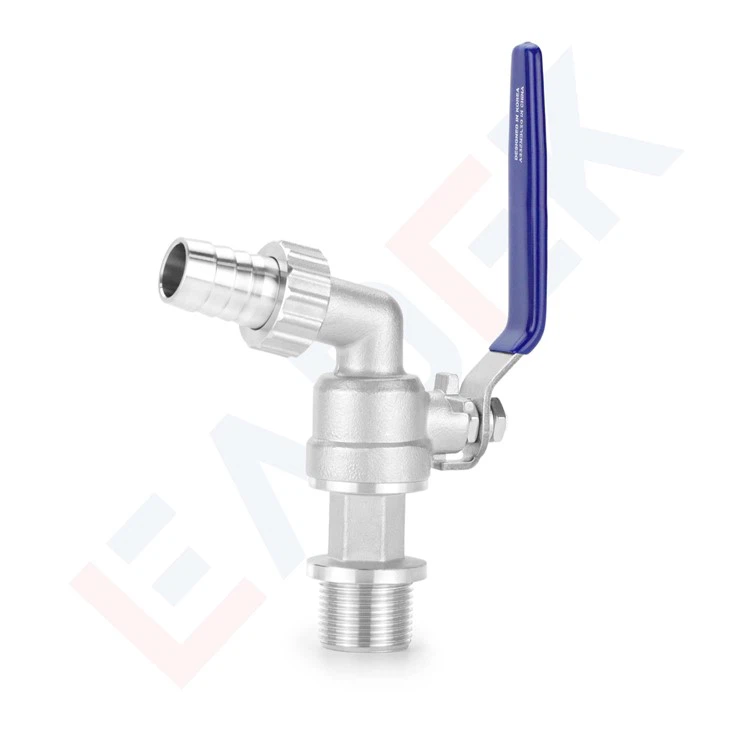
Thread Machining and Sealing Performance
Thread integrity directly impacts installation safety and connection tightness. Compliant threaded components must adhere to NPT (ANSI/ASME B1.20.1) or ISO 7-1 (BSPT) standards, verified using calibrated Go/No-Go thread gauges to prevent galling or cross-threading during assembly. Beyond thread precision, internal sealing relies on high-grade PTFE or Reinforced PTFE (RPTFE) seats. Quality verification involves shell and seat pressure testing in accordance with API 598 or ISO 5208 standards, subjecting the assembly to hydrostatic and pneumatic pressures to confirm zero bubble-tight leakage across the operational temperature range.
Fastener Grade and Actuation Safety
Because a two-piece body design relies on joint connection bolts, fastener quality is critical for structural stability under line pressure. Standard-compliant valve assemblies utilize heavy-duty A2-70 or A4-80 stainless steel bolts to prevent stress corrosion cracking. Additionally, the actuation stem must feature an anti-blowout design, ensuring that stem retainers prevent internal ejection under extreme pressure spikes. Quality control inspection also verifies that the heavy-duty handle snaps precisely into alignment parallel with the flow passage when fully open and perpendicular when fully closed.
Global Quality Certifications and Sourcing Best Practices
Verifying manufacturer credentials ensures consistent batch-to-batch quality across global supply chains. Leading industrial suppliers operate modern production bases equipped with multi-axis CNC machining centers, automated pressure test rigs, and comprehensive quality laboratories. Facilities operating under ISO 9001, ISO 14001, CE, and TS certifications deliver traceable quality control across design, precision casting, and final assembly. Partnering with established global manufacturers guarantees that installed components maintain operational safety across energy storage, semiconductor, and sanitary fluid applications.