

5 Essential Strategies to Prevent Leaks in Stainless Steel 90 Degree Hose Elbows
Aug 18, 2026
Leave a message
Ensuring leak-free operations is critical for industrial fluid control systems. As a leading manufacturer specializing in high-precision stainless steel fluid accessories, Zhejiang Leadtek Fluid Technology Co., Ltd. combines over 30 years of precision casting expertise with advanced CNC machining capabilities to deliver top-tier components. Fluid leaks not only result in costly material loss and operational downtime but also pose significant safety hazards and environmental risks. Implementing robust prevention protocols is essential for maintaining system integrity.
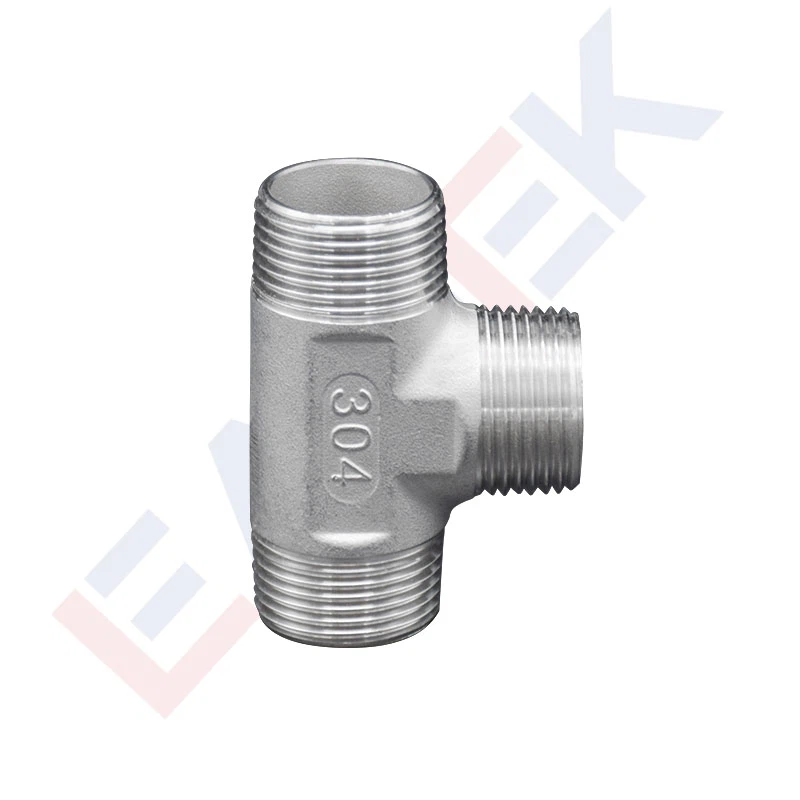
Understanding Root Causes of Fluid Leaks
Preventing leaks effectively begins with identifying why components fail under operational stresses. Common causes include:
- Improper Installation Mechanics: Incorrect torque application-whether over-tightening or under-tightening-alongside component misalignment or incorrect sealant usage, compromises initial seal formation.
- Component Wear and Degradation: Continuous operational cycles, mechanical vibration, and exposure to aggressive chemicals degrade sealing surfaces over time.
- Material Incompatibility: Selecting hoses or fittings unsuited for specific chemical compositions, temperatures, or pressures leads to accelerated structural breakdown.
- Extreme Operating Envelopes: Surpassing design pressure or temperature thresholds places undue stress on elbows and joints, triggering sudden mechanical failure.
1. Implement Rigorous Installation Best Practices
Precision installation sets the foundation for a leak-free pipeline. Guarantee structural integrity by adhering to these steps:
- Select Exact Specification Fittings: Always match fitting sizes and pressure ratings to your system requirements. Procuring certified components such as Stainless Steel 304L Pipe Fittings ensures seamless compatibility.
- Decontaminate Mating Surfaces: Thoroughly clear dirt, metal shavings, and chemical residues from connection points prior to assembly to secure a flawless seal.
- Apply Recommended Sealants: Use compatible industrial sealants according to manufacturer guidelines to bridge micro-gaps.
- Calibrate Torque Specifications: Utilize calibrated torque wrenches. Over-stressing threads distorts geometry, whereas loose connections allow fluid seepage.
- Verify Alignment: Check that lines run straight into fittings to eliminate lateral shear stress on the elbow joint.
2. Establish Regular Inspection and Maintenance Protocols
Proactive maintenance catches minor anomalies before they escalate into catastrophic failures:
- Conduct Routine Visual Audits: Inspect systems frequently for surface micro-cracks, bulging, discoloration, or weeping joints.
- Execute Scheduled Pressure Testing: Periodically test working pressures to confirm that pipeline networks operate safely within design thresholds.
- Promptly Replace Degraded Parts: Swap out worn gaskets, seals, or compromised elbows immediately to sustain continuous operational safety.
3. Prioritize High-Quality Material Selection
The material foundation of your hardware dictates its lifespan and resilience against harsh industrial environments:
- Choose Durable Construction Materials: Opt for premium alloys like CF8M or premium grades used in CF8M Gate Valves and Flanged Globe Valves to combat chemical corrosion.
- Invest in Advanced Manufacturing: Premium components manufactured through certified processes offer superior structural density and high-temperature tolerance.
- Incorporate Specialized Hardware: For high-vibration environments, utilize complementary accessories like Tri Clamp Inline Strainers or Quick Connect Couplings and Fittings designed for secure interlocking.

4. Control Operational Parameters and System Stress
External fluctuations heavily impact joint performance. Protect your pipeline infrastructure by stabilizing daily operations:
- Monitor Pressure and Thermal Limits: Keep strict logs of operational limits. Install pressure relief valves if system spikes threaten standard thresholds.
- Prevent Hydraulic Shock (Water Hammer): Avoid abrupt valve closures or rapid pump startups that generate violent pressure waves and split fittings.
- Deploy High-Performance Valves: Integrate reliable flow regulation components such as 1 2 3 Piece Ball Valves to manage steady media transition smoothly.
Conclusion
Preventing leaks in 90-degree hose elbows relies on a comprehensive approach encompassing proper installation, routine inspection, premium material selection, and strict operational control. By sourcing high-grade components engineered to international standards like ISO 9001 and CE, industrial facilities can drastically reduce risks, enhance system efficiency, and maximize longevity.
To upgrade your fluid control systems with high-reliability components, explore our range of SS Wafer Type Check Valves and other precision fittings. Contact our engineering team today for customized product specifications and bulk quotes.